
“I don’t wear shorts because of cellulite.”
That’s been my reality for many years, and it’s been an insecurity since my late teens. Honestly, probably earlier. I maybe weighed 100 pounds back then and was still walking backwards in a swimsuit just to hide the backs of my thighs. It was absurd.
It’s been called orange peel skin, lumpy and bumpy, cottage cheese, and plenty of other unflattering nicknames designed to dig right into that insecurity pocket. And good grief — HAS. IT. WORKED. For decades, women like me have been convinced to slather on creams, submit to lasers, schedule surgeries, and even tape our bodies (yes, tape, because that’s not ridiculous or anything).
When Cellulite Became “A Problem”
Here’s the thing: cellulite wasn’t always considered ugly. In fact, if you look at classical art, a fuller body—dimples and all—was a symbol of prosperity, fertility, and beauty. Nobody was photoshopping Venus.
Fast-forward to April 1968, when Vogue printed the word cellulite for the very first time in English. Overnight, American women had a fashionable new flaw to obsess over. Before that, the word had floated around French medical texts in the 1800s, but it wasn’t about dimples—it meant inflamed tissue. So how did it transform into a multimillion-dollar industry?
The short answer: money and control.
As women in the 1960s and ’70s gained more independence—jobs, financial freedom, voices in politics—the beauty industry doubled down. If women were storming the workplace and fighting for rights, what better way to “keep them in line” than inventing new flaws to worry about? Pulitzer Prize–winning author Susan Faludi argued in Backlash: The Undeclared War Against American Women that the beauty industry capitalized on women’s imperfections by fueling an “imperfection panic” — cellulite, wrinkles, gray hair, weight — anything that could be turned into a problem and sold back as a solution. Convince women that their normal, healthy bodies were flawed, and suddenly they were buying creams instead of breaking glass ceilings.
The Science Reality Check
Here’s what cellulite actually is: fat pushing through connective tissue under the skin. That’s it. It’s not a disease, not a moral failing, and not something you did wrong. Depending on genetics, hormones, and body composition, up to 90% of women will have it at some point.
And here’s something we don’t talk about enough: not all fat is the same. The fat just under the skin—subcutaneous fat—isn’t harmful. In fact, it has benefits: it stores energy, cushions your body, and even plays a role in hormone regulation. The kind that is linked to health risks? Visceral fat, which wraps around your organs. So the cellulite we’ve been trained to fear? It’s literally the least of our worries.
Yes, you can sometimes reduce its appearance—strength training, certain treatments, maybe even a good lighting angle—but the idea of “erasing” cellulite completely? That’s marketing, not medicine. Most of the stuff we’re sold works about as well as taping your thighs before a beach trip.
And let’s be clear: cellulite has very little to do with health.
Today’s Body Talk
Scroll through Instagram and you’ll see what I mean. Out of 50 posts tagged #cellulite, maybe 2 will be positive or accepting. The rest? Still obsessed with “getting rid of it in 30 days or less.”
And this isn’t new. Remember those glossy tabloid magazines that loved to circle celebrities’ thighs in red and scream “CELLULITE ALERT!”? I grew up flipping through them at my grandma’s house. Page after page of paparazzi shots, zoomed in on dimples, as if women’s bodies existing in sunlight was front-page scandal. No wonder we learned to hate our own skin.
That’s why seeing Ilona Maher—an actual Olympian—post about her cellulite felt revolutionary. A world-class athlete showing her dimples as just… part of her body? That shouldn’t feel groundbreaking, but it does. Because most of us have been conditioned to hide, edit, or apologize for it.
Reframing the Narrative
One of my friends recently went off (and I loved every word). She’s a cancer survivor, and she said her experience shifted her outlook: life is too short to “carry all of these bullshit burdens put on us.” She told me, “I will be an unapologetically sexy 45+ year old woman, with cellulite, in my bikini, loving myself.”
And I get it. I really do. Because the older I get—and the harder it gets to reach this moving target of “perfection”—the angrier I feel about how much time I’ve wasted being insecure.
So can you reduce the appearance of cellulite? Sure, maybe sometimes and within reason. But the real question is: why are we stressing about it? Why do I still stress about it?
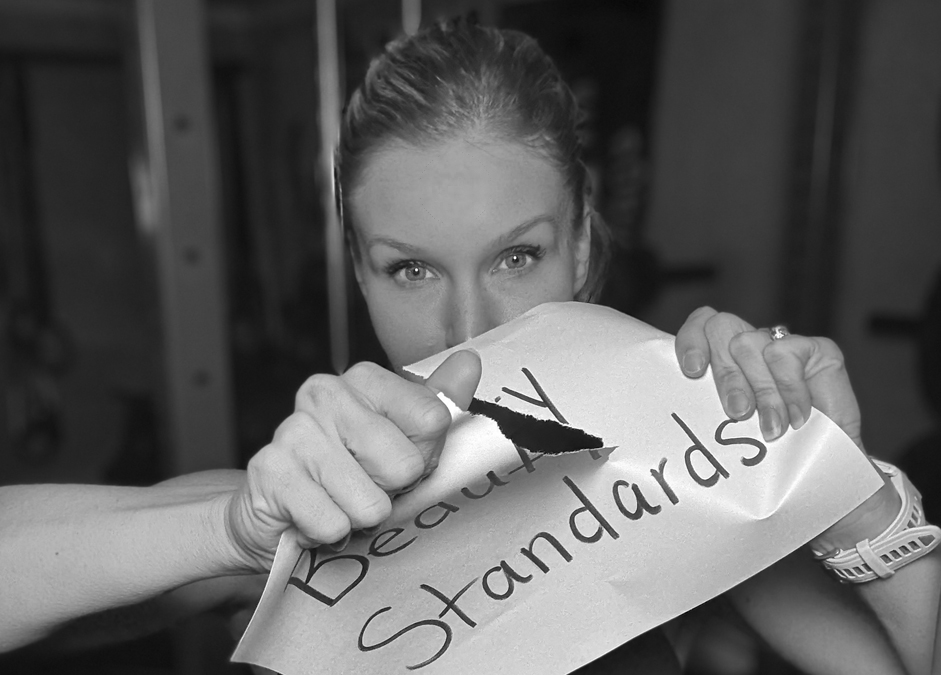
Because women have been “gifted” (eye roll) a wealth of beauty standards to chase. We are rich in insecurities but bankrupt in self-love.
And honestly, I’m done being broke where it matters most.
What if, instead of bankrupting ourselves on miracle creams, lasers, or tape, we invested in things that actually grow—our strength, our health, our confidence, and our joy? Imagine how rich we’d be then.
So wear the shorts. Walk forwards in the swimsuit. Let the dimples out in the sun. Because cellulite isn’t the enemy—self-loathing is. And I think we’ve already spent enough on that.